
News
What You Should Know Before Eating Bananas
May
Bananas are among the most popular fruits in the world. Convenient, affordable, and naturally sweet, they are often considered a healthy snack for people of all ages. Packed with nutrients and easy to digest, bananas can support energy levels, heart health, and digestion. However, there are still several important things you should know before adding bananas to your daily diet.
Bananas Are Rich in Essential Nutrients
One medium banana contains important vitamins and minerals, including potassium, vitamin C, vitamin B6, magnesium, and fiber. Potassium is especially important because it helps regulate blood pressure, support muscle function, and maintain healthy nerves.
Bananas also provide natural carbohydrates, mainly in the form of sugars and starches, making them a quick source of energy. This is why athletes often eat bananas before or after workouts.
In addition, bananas contain antioxidants such as dopamine and catechins, which may help protect the body from oxidative stress and inflammation.
The Ripeness of a Banana Matters
Not all bananas affect the body in the same way. The ripeness of the fruit changes its nutritional profile and how your body digests it.
- Green bananas contain more resistant starch, a type of carbohydrate that acts similarly to fiber. Resistant starch may support gut health and help control blood sugar levels. However, green bananas can be harder to digest for some people.
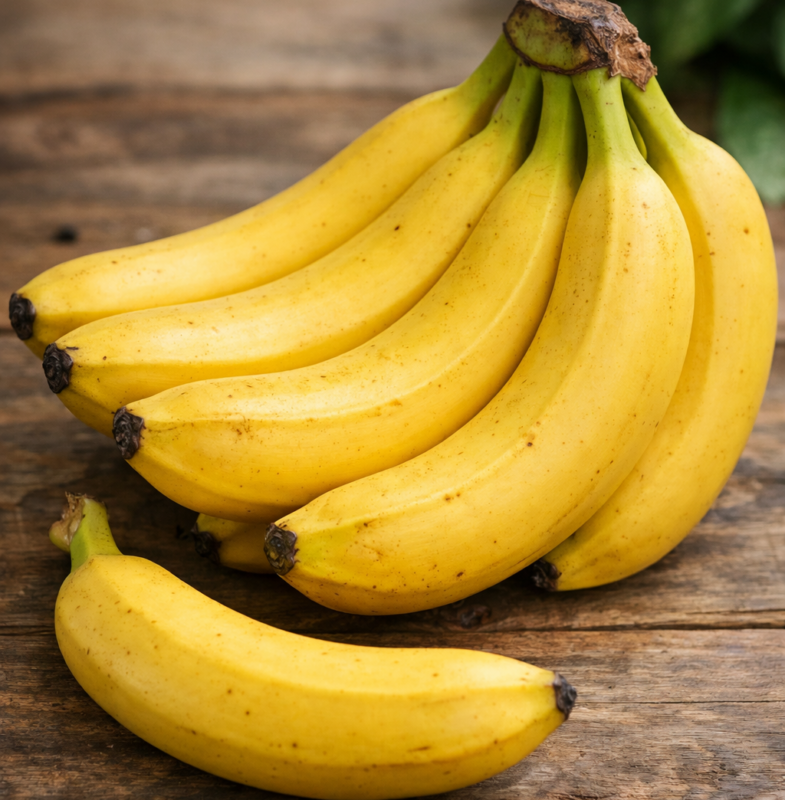
- Yellow bananas are sweeter and easier to digest because the starch gradually turns into natural sugar as the fruit ripens.
- Very ripe bananas with brown spots contain the highest sugar content. They are softer and sweeter, but they may cause blood sugar to rise faster compared to less ripe bananas.
Choosing the right ripeness depends on your health goals and digestive comfort.

Bananas Can Affect Blood Sugar
Although bananas are healthy, they still contain carbohydrates and natural sugar. People with diabetes or insulin resistance should pay attention to portion size and ripeness.
Eating bananas together with protein or healthy fats — such as yogurt, nuts, or peanut butter — may help slow down sugar absorption and keep blood sugar more stable.
For most healthy individuals, eating one banana per day as part of a balanced diet is generally considered safe and beneficial.
They May Support Digestive Health
Bananas are often recommended for digestive comfort because they are gentle on the stomach. They contain pectin and dietary fiber, which may help regulate bowel movements.
Green bananas may promote the growth of beneficial gut bacteria because of their resistant starch content. Meanwhile, ripe bananas are commonly included in bland diets for people recovering from stomach irritation or diarrhea.
However, some people may experience bloating or constipation if they consume too many bananas without enough water or dietary variety.
Bananas Are Not Ideal for Everyone
Despite their benefits, bananas may not be suitable for every individual.
People with certain kidney conditions may need to limit potassium-rich foods, including bananas. Excess potassium can become dangerous if the kidneys cannot remove it effectively from the body.
Additionally, some individuals with latex-fruit syndrome may experience allergic reactions to bananas. Symptoms can include itching, swelling, or discomfort after eating the fruit.
If you experience unusual symptoms after consuming bananas, it is important to consult a healthcare professional.

Eating Bananas on an Empty Stomach
Many people enjoy bananas first thing in the morning because they are filling and convenient. While bananas can provide a quick energy boost, eating them alone on an empty stomach may not keep you full for long.
Some nutrition experts suggest pairing bananas with protein-rich foods like eggs, yogurt, or nuts to create a more balanced meal and maintain steady energy levels throughout the morning.
Bananas and Weight Management
Bananas are often misunderstood when it comes to weight loss. Some people avoid them because they believe bananas contain too much sugar or too many calories.
In reality, bananas can fit well into a healthy weight-management plan when eaten in moderation. Their fiber content may help increase feelings of fullness and reduce unnecessary snacking.
The key is portion control and overall dietary balance rather than avoiding bananas entirely.
The Bottom Line
Bananas are nutritious, versatile, and beneficial for most people when consumed as part of a balanced diet. They provide energy, support digestion, and contain essential nutrients that contribute to overall health.
However, factors such as ripeness, portion size, blood sugar concerns, and certain medical conditions should be considered before eating them regularly. Like any food, bananas are healthiest when enjoyed in moderation alongside a varied and nutritious diet.
Understanding how bananas affect your body can help you enjoy their benefits while making smarter dietary choices.
Disclaimer: Content is provided for informational purposes only and is not intended as a substitute of medical advice. Seek guidance of your doctor regarding your health and medical conditions.
