
News
Did You Know That Waking Up at 3 or 5 in the Morning Is a Clear Sign of…?
May
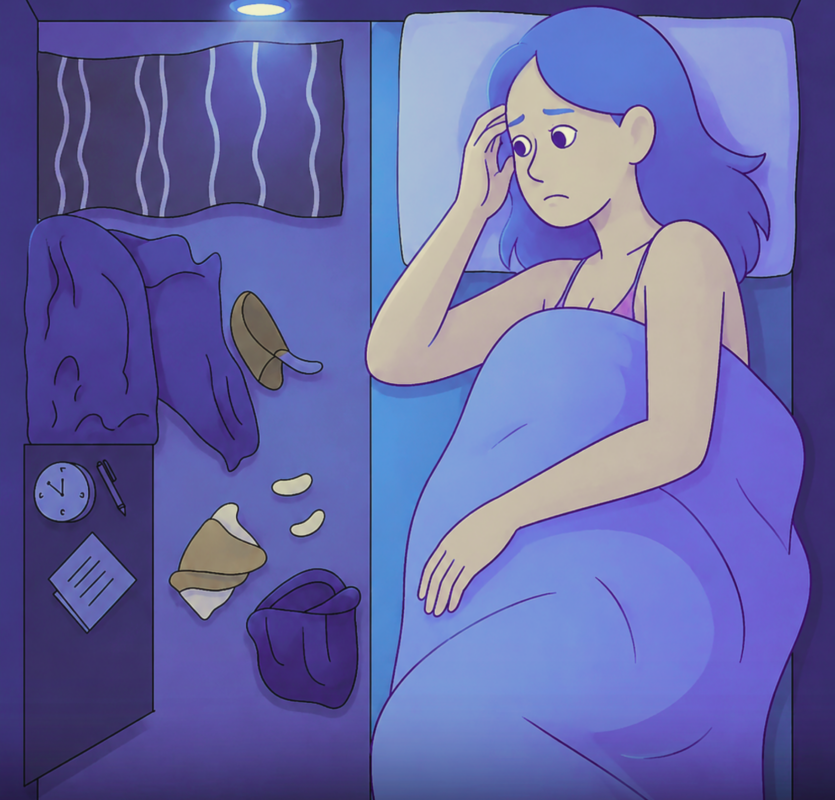
Have you ever found yourself suddenly awake at 3 a.m. or 5 a.m., staring at the ceiling while the rest of the world sleeps? Many people experience this strange pattern and immediately wonder if something is wrong with their health. While occasional early waking is normal, waking up repeatedly at the same hour could be your body’s way of sending an important message.
Contrary to popular myths, waking up at 3 or 5 in the morning is usually not a supernatural sign. In most cases, it is connected to stress, sleep cycles, hormones, lifestyle habits, or underlying health conditions. Understanding the real reasons behind this habit can help you improve your sleep and overall well-being.
Your Body Follows a Natural Sleep Cycle
Human sleep is divided into several cycles throughout the night. Each cycle lasts about 90 minutes and includes light sleep, deep sleep, and REM sleep. During the early morning hours—especially between 3 a.m. and 5 a.m.—your body naturally becomes lighter in sleep as it prepares to wake up.
This means you are more likely to become conscious during that time if something interrupts your rest, even slightly. Noise, stress, temperature changes, or internal body signals can all trigger sudden awakening.
However, if it happens regularly, there may be deeper reasons.

Stress and Anxiety Are the Most Common Causes
One of the biggest reasons people wake up in the middle of the night is stress. When your mind is overwhelmed, your nervous system stays more alert, even while sleeping. As a result, your brain may suddenly wake you during the early morning hours.
Around 3 a.m., the body begins increasing cortisol levels—the hormone related to alertness and stress. If you are anxious, emotionally exhausted, or dealing with unresolved worries, this hormonal shift can easily pull you out of sleep.
Many people notice this during periods of:
- Financial pressure
- Relationship problems
- Work stress
- Emotional trauma
- Overthinking before bed
Even if you fall asleep quickly, stress can reduce sleep quality and cause repeated awakenings.
Waking Up at 5 a.m. May Reflect Hormonal Changes
Waking up closer to 5 a.m. is often connected to the body’s internal clock, also known as the circadian rhythm. At this time, your body starts preparing for the day by raising body temperature, blood pressure, and hormone activity.
In some people, this process begins too early. This can happen because of:
- Aging
- Hormonal imbalance
- Menopause
- Poor sleep habits
- Excess caffeine or alcohol
Older adults especially tend to wake earlier because their circadian rhythm shifts naturally with age.

Blood Sugar Fluctuations Can Interrupt Sleep
Another overlooked reason for waking up during the night is unstable blood sugar. If your blood sugar drops too low while sleeping, your body may release stress hormones like adrenaline and cortisol to stabilize it. This sudden hormonal response can wake you abruptly.
People who skip dinner, eat excessive sugar before bed, or have insulin resistance may experience this more often.
Common signs include:
- Sweating at night
- Racing heartbeat
- Feeling hungry after waking
- Difficulty falling back asleep
Eating balanced meals and avoiding heavy sugary snacks late at night may help improve sleep stability.
Sleep Disorders Could Be Involved
Frequent early waking can also be linked to sleep disorders. Conditions such as insomnia, sleep apnea, or restless leg syndrome often disrupt normal sleep patterns without people fully realizing it.
For example, people with sleep apnea may briefly stop breathing many times during the night, causing repeated awakenings. They may not remember waking up, but their sleep quality becomes poor.
Warning signs include:
- Loud snoring
- Morning headaches
- Daytime exhaustion
- Difficulty concentrating
- Feeling tired despite sleeping enough hours
If symptoms continue for weeks or months, consulting a healthcare professional is important.

Lifestyle Habits Matter More Than You Think
Modern habits can heavily affect sleep quality. Many people unknowingly train their bodies to wake up during the night.
Common triggers include:
- Using phones before bed
- Drinking caffeine late in the day
- Alcohol consumption
- Sleeping in an overly warm room
- Irregular bedtime schedules
Blue light from screens can suppress melatonin, the hormone that helps regulate sleep. Meanwhile, alcohol may make you sleepy initially but often causes fragmented sleep later in the night.
Creating a healthier nighttime routine can make a major difference.
How to Improve Your Sleep Naturally
If you often wake up at 3 or 5 a.m., small lifestyle adjustments may help restore deeper sleep.
Here are several effective strategies:
- Maintain a consistent sleep schedule
- Avoid caffeine after afternoon hours
- Reduce screen exposure before bed
- Practice relaxation techniques like deep breathing or meditation
- Keep your bedroom cool, dark, and quiet
- Exercise regularly during the day
- Avoid heavy meals right before sleeping
Most importantly, try not to panic when you wake up. Watching the clock and worrying about sleep can actually make insomnia worse.

When Should You Seek Medical Advice?
Occasional early waking is completely normal. However, if it happens frequently and affects your energy, mood, or daily functioning, it may be time to seek professional guidance.
Persistent sleep disruption can sometimes signal:
- Chronic stress disorders
- Depression or anxiety
- Hormonal imbalance
- Sleep apnea
- Thyroid issues
A doctor or sleep specialist can help identify the root cause and recommend proper treatment.
Final Thoughts
Waking up at 3 or 5 in the morning is not usually a mysterious warning sign—but it can reveal important clues about your physical and emotional health. In many cases, your body is reacting to stress, hormonal changes, poor sleep habits, or hidden health concerns.
Instead of ignoring the pattern, pay attention to your lifestyle, emotional state, and sleep quality. Sometimes, improving your bedtime routine and managing stress can completely transform your nights—and your health overall.
Disclaimer: Content is provided for informational purposes only and is not intended as a substitute of medical advice. Seek guidance of your doctor regarding your health and medical conditions.
