
News
The Hidden Impact of Peanuts: What Medical Professionals Want You to Know
May
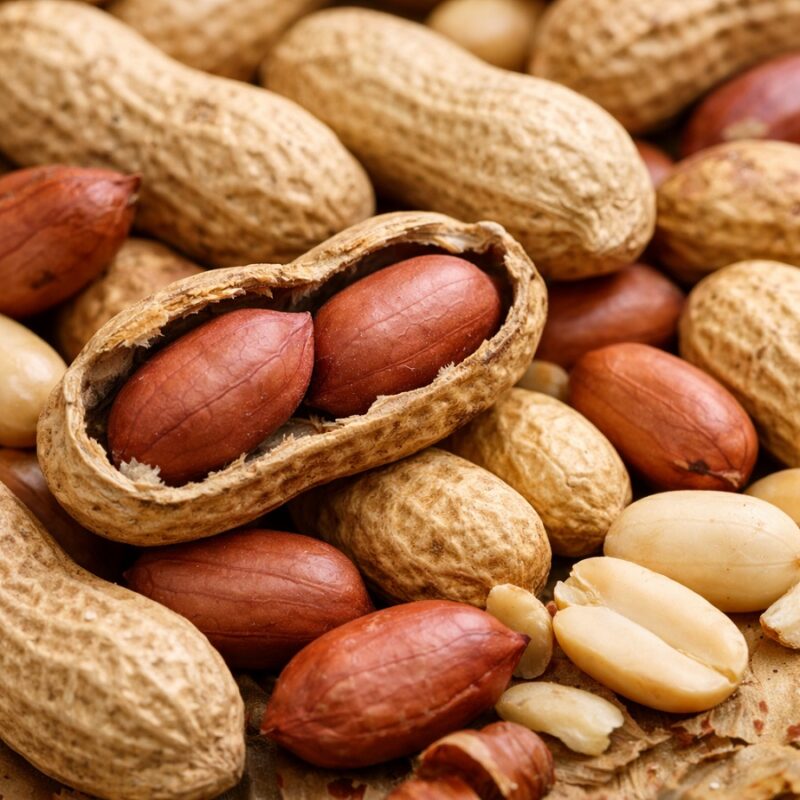
Peanuts are perhaps the most ubiquitous “nut” in the modern diet (though they are technically legumes). Found in everything from breakfast bars to savory sauces, they are praised for their high protein content, healthy fats, and affordability. However, the medical community has recently focused on a nuanced narrative regarding peanut consumption. While they offer significant health benefits, doctors are increasingly revealing that eating peanuts can cause specific, and sometimes unexpected, physiological reactions.
Understanding these impacts—ranging from cardiovascular improvements to digestive sensitivities—is essential for anyone looking to optimize their nutritional health.
1. The Cardiovascular “Green Light”
One of the most significant revelations from cardiologists in recent years is the role of peanuts in heart health. Clinical studies, including those published in the Journal of the American College of Cardiology, suggest that regular, moderate peanut consumption can cause a notable reduction in cardiovascular disease risk.
Because peanuts are rich in monounsaturated and polyunsaturated fatty acids, they help lower “bad” LDL cholesterol while maintaining “good” HDL levels. Doctors often point to the presence of resveratrol—the same antioxidant found in red wine—which helps protect the lining of blood vessels and prevents inflammation.
2. A Trigger for Aflatoxin Exposure
A more sobering revelation from doctors involves the way peanuts are grown. Because peanuts develop underground in moist soil, they are highly susceptible to a mold called Aspergillus flavus, which produces aflatoxins.
Chronic exposure to aflatoxins is a known risk factor for liver health issues. While commercial processing in developed nations involves rigorous testing to keep these levels safe, doctors advise consumers to be aware of “natural” or “unprocessed” peanut butters that may not undergo the same scrutiny. Storing peanuts in cool, dry environments is a medical necessity to prevent further mold growth.
3. The Double-Edged Sword of Digestive Health
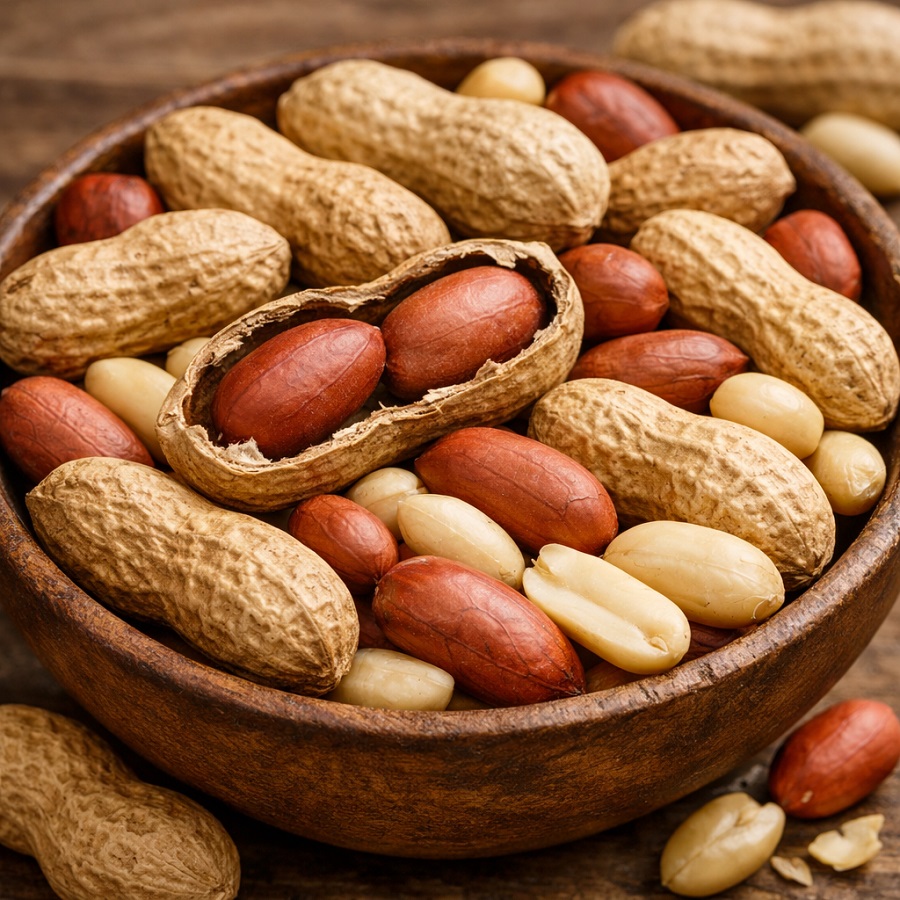
For many, peanuts are an excellent source of dietary fiber, promoting a healthy gut microbiome. However, gastroenterologists frequently see patients where peanut consumption causes digestive distress, such as bloating or gas.
This is often due to lectins and phytates. These are “anti-nutrients” found in legumes that can interfere with mineral absorption and irritate the gut lining in sensitive individuals. Doctors suggest that for those who experience discomfort, soaking peanuts or choosing “valencia” varieties (which are lower in certain molds) can mitigate these effects.
4. Systemic Inflammation and Omega-6 Ratios
While peanuts contain healthy fats, they are disproportionately high in Omega-6 fatty acids compared to Omega-3s. Most modern diets are already overloaded with Omega-6, which, when out of balance, can cause a pro-inflammatory state in the body.
Medical professionals warn that excessive intake—such as eating several handfuls of roasted peanuts daily—can contribute to systemic inflammation. This inflammation is often the “silent” precursor to chronic conditions like arthritis or metabolic syndrome. The medical consensus? Balance is key; pair your peanuts with Omega-3-rich foods like walnuts or flaxseeds.
5. Weight Management vs. Caloric Density
Dietitians and weight-loss specialists often have a love-hate relationship with the peanut. On one hand, the combination of fiber, protein, and fat creates high satiety, meaning you feel full longer. This can cause a natural reduction in overall calorie intake throughout the day.
On the other hand, peanuts are incredibly calorie-dense. A single cup contains over 800 calories. Doctors reveal that “passive overeating” is a major risk; it is easy to consume a day’s worth of fat requirements in one sitting. To reap the benefits without the weight gain, the medical recommendation is a serving size of roughly 28 grams (about 28 peanuts).
6. The Rising Spectrum of Allergic Sensitivities
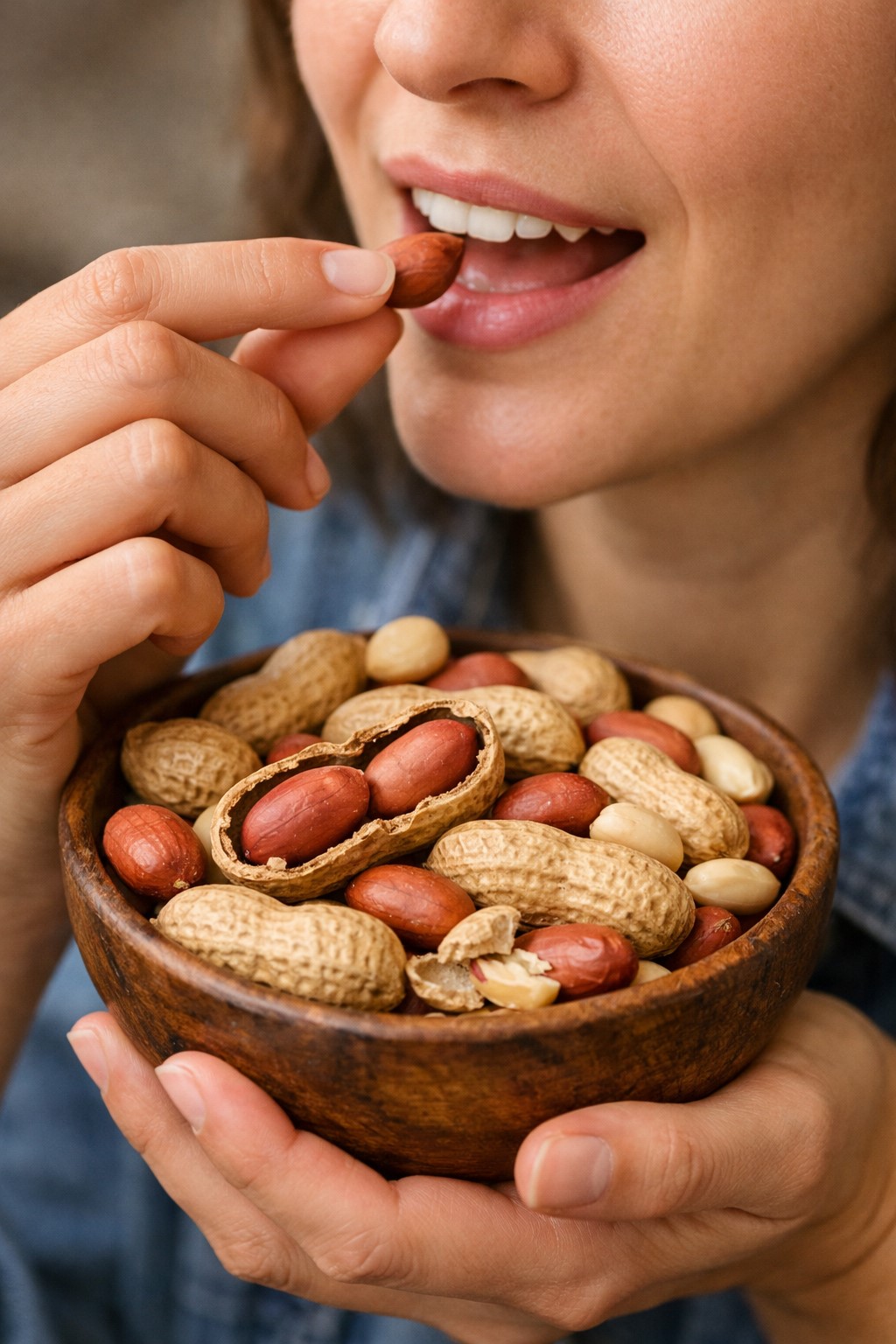
We cannot discuss peanuts without mentioning the immune system. Beyond the well-known risk of anaphylaxis, allergists are seeing a rise in “low-grade” sensitivities. In some adults, eating peanuts can cause subtle skin flares, such as eczema, or mild respiratory congestion that the individual may not immediately link to their diet.
Interestingly, the medical stance on prevention has shifted. Doctors now reveal that early introduction of peanut products in infancy (following pediatrician guidelines) can actually cause an 80% reduction in the development of peanut allergies later in life.
The Verdict: How Should You Eat Them?
To maximize the benefits and minimize the risks revealed by medical professionals, follow these doctor-approved tips:
- Choose Raw or Dry-Roasted: Avoid peanuts roasted in inflammatory vegetable oils (like cottonseed or soybean oil).
- Check the Label: Ensure your peanut butter contains only two ingredients: peanuts and a pinch of salt. Avoid added sugars and hydrogenated oils.
- Watch the Sodium: Many store-bought peanuts are heavily salted, which can cause water retention and high blood pressure, negating the heart-health benefits.
- Diversify Your Nuts: Don’t rely solely on peanuts. Rotate them with almonds, walnuts, and Brazil nuts to ensure a broader spectrum of nutrients.
Conclusion
Doctors reveal that eating peanuts can cause a wide array of physiological changes—most of them positive, provided you are mindful of quality and quantity. They are a powerhouse of nutrition that can protect your heart and keep you full, but they require a “conscious consumption” approach to avoid the pitfalls of inflammation and caloric surplus. As with any dietary staple, listen to your body and consult with a healthcare provider if you notice any adverse reactions.
Disclaimer: Content is provided for informational purposes only and is not intended as a substitute of medical advice. Seek guidance of your doctor regarding your health and medical conditions.
