
Stories
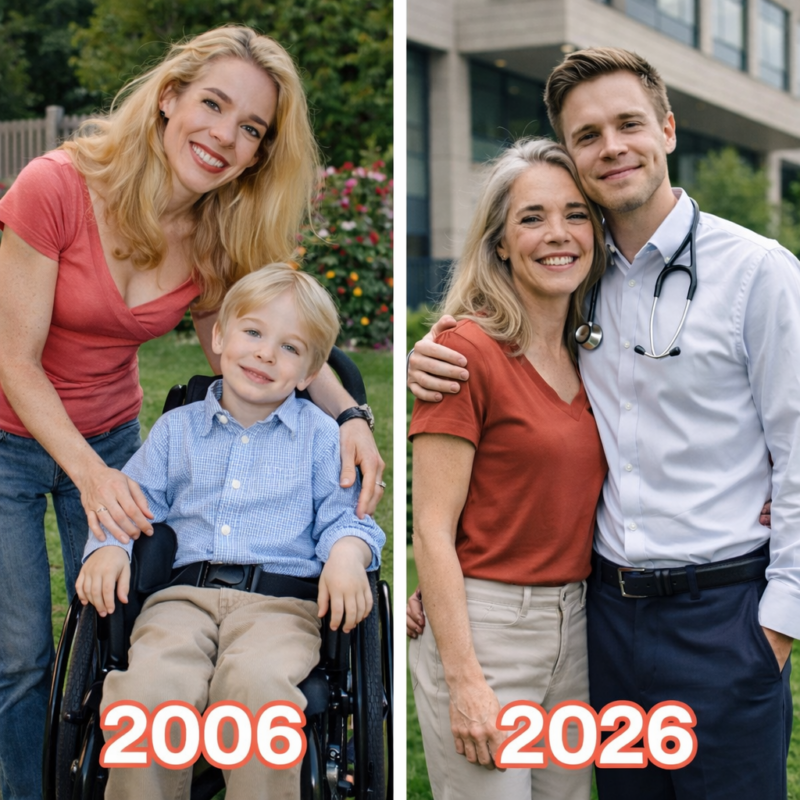
The Day He Abandoned His Disabled Son At Birth — 25 Years Later, He Faced The Truth He Couldn’t Escape
Apr
I gave birth believing my marriage had survived everything. I was wrong.
The day my husband left, he didn’t slam the door.
In a strange way, that made it worse.
My mother used to say anger is loud—you can fight it, understand it.
But what Warren gave me wasn’t anger. It was silence. Cold, final, sharpened silence.
Henry was less than three hours old.
I still had an IV in my arm. My body ached, barely holding itself together, while my newborn rested against my chest, his tiny fingers tangled in my gown.
The neurologist spoke gently—the kind of gentle that quietly splits your life into before and after.
“There is motor impairment,” she said. “We won’t know everything yet, but your son will need therapy, support, and close monitoring.”
I nodded like she was giving directions, not rewriting my future.
“It’s not your fault,” she added. “This isn’t life-threatening. With care, he can still live a full life.”
“Thank you,” I whispered.
Then Warren reached for his keys.
At first, I thought he just needed air. That was who he was—someone who walked things off.
“Babe,” I said softly. “Can you pass me that glass of water?”
He didn’t move.
Instead, he looked at our son the way someone examines damage—not grief, not fear… just evaluation.
“I’m not doing this,” he said.
I blinked. “What?”
His jaw tightened.
“I didn’t sign up for this kind of life, Bella. I wanted a son I could throw a ball with. Surf with. Henry won’t be able to do that.”
I waited—waited for him to take it back, to break, to say anything human.
He didn’t.
He grabbed his jacket and walked out of the room like he was leaving a meeting that ran too long.
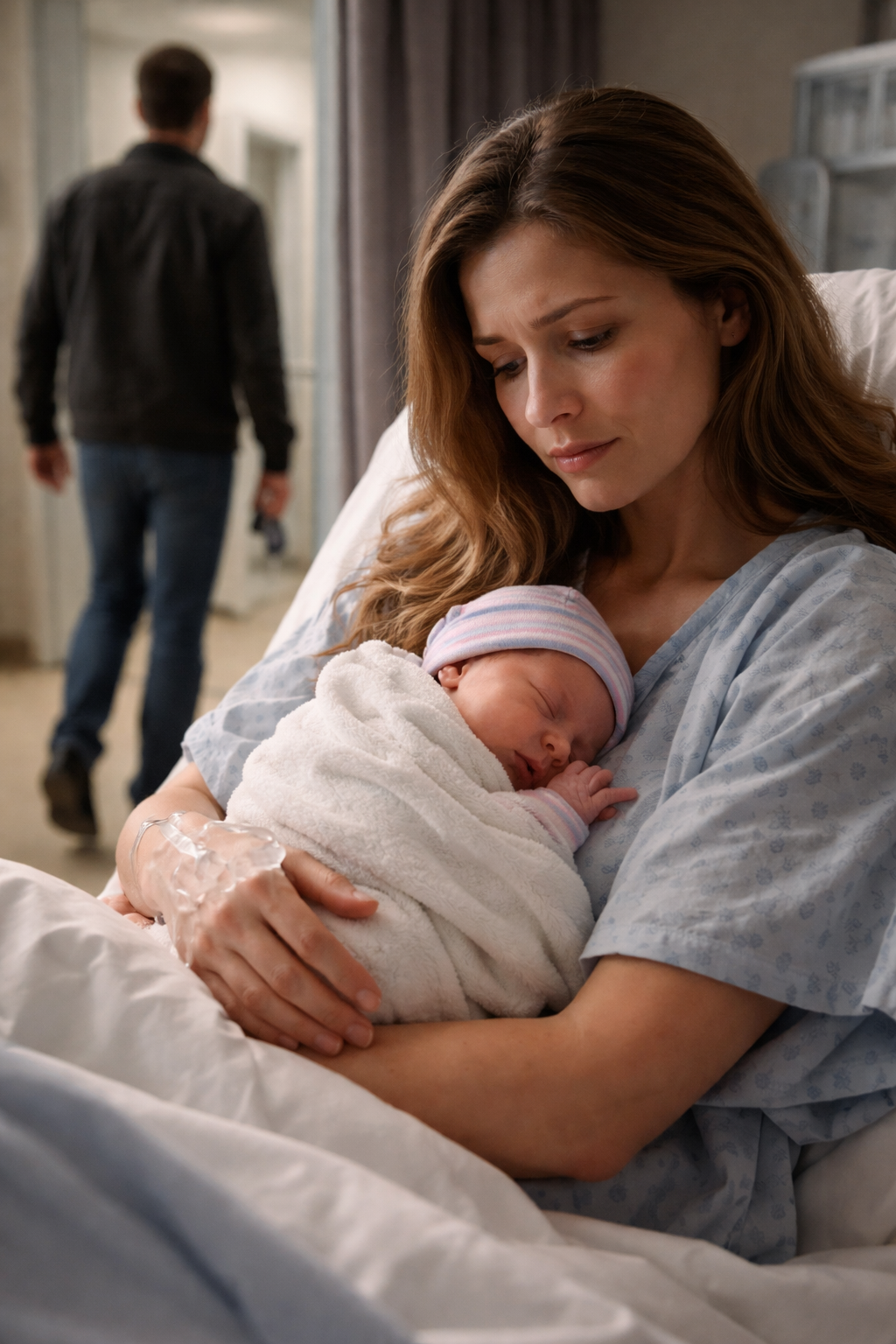
The nurse touched my shoulder. The doctor said something I didn’t hear.
I looked down at my son.
“Well, sweet boy,” I whispered, “I guess it’s just you and me now.”
He blinked—like he’d expected nothing else.
Two days later, I signed the discharge papers alone.
I listened to instructions alone.
Watched other women leave with flowers, balloons, husbands carrying bags.
I walked out with a sleeping baby, a thick folder of medical papers, and a nurse named Carla beside me.
“You got someone meeting you?” she asked.
I smiled tightly. “Eventually.”
That lie lasted about a year.
My apartment smelled like formula, baby powder, and lemon cleaner.
I cleaned when I was scared—which meant I cleaned constantly.
Those years weren’t noble.
They were exhausting. Expensive. Relentless.
I learned to stretch Henry’s legs while he cried and my hands shook from lack of sleep. I learned how to fight insurance companies. At church, people spoke to me in voices meant for funerals.
One Sunday, when Henry was six months old, I was adjusting his braces when a woman asked quietly:
“And Warren… is he coping?”
I smoothed Henry’s sock.
“No,” I said. “He left before my stitches even healed.”
She didn’t know what to say.
Henry sneezed.
I kissed his forehead. “Can you pass me the sign-in sheet? My hands are full.”
By the time Henry started school, he already had a gaze too sharp for adults who preferred easy children.
At seven, sitting in an office beside me, the assistant principal said:
“We just want to be realistic. We don’t want Henry frustrated in a class that might move too fast.”
Henry looked at her calmly.
“Do you mean physically,” he asked, “or because you think I’m stupid?”
She blinked. “That’s not what I said.”
“No,” he replied. “But it’s what you meant, isn’t it?”
I pressed my lips together to keep from laughing.
In the car, I tried to correct him.
“You can’t talk to school staff like that.”
“Why not?” he asked. “She was wrong.”
I met his eyes in the mirror—sharp, stubborn, entirely mine.
“That,” I admitted, “is a very strong argument.”
Physical therapy became the place where his frustration turned into strength.
By ten, he knew more about his condition than most doctors.
Once, a resident read from his chart:
“Delayed motor response on the left side.”
Henry frowned. “I’m right here. You can just ask me.”
“How does it feel?” the resident asked.
“Annoying. Tight. And like people keep talking about me instead of to me.”
I laughed. He was going to be just fine.
At fifteen, he sat at the kitchen table reading medical journals.
“What are you reading?” I asked.
“A bad article,” he said. “It forgot there’s a person attached to the chart.”
At sixteen, after a difficult walk, he leaned against the counter, breathing hard.
“I’m tired,” he said. “Of people treating me like a warning story. I was born like this. That’s it.”
I turned off the faucet. “Then what do you want to be?”
He looked at me.
“Someone in medicine. The person who talks to the patient—not about them.”
He got into medical school. Top of his class.
A few days before graduation, I found him sitting unusually still.
“What’s wrong?”
He looked up.
“Dad called.”
The past rushed back all at once.
“How?”
“He found me online.”
“What did he want?”
Henry gave a small, almost amused smile.
“He said he’s proud of me.”
The bitterness that came out of me surprised even myself.
“He wants to come to graduation,” Henry added.
“No.”
“I invited him.”
I stared. “Why?”
“Because I don’t want him living with the wrong version of this story.”
Graduation night arrived in a blur of lights and applause.
Then Warren walked in.
Twenty-five years older. Gray at the edges. Still carrying that same confidence that assumed he belonged.
“Bella,” he said.
“Warren.”
He turned to Henry, his eyes drifting briefly to his legs.
“Son,” he said.
“Good evening,” Henry replied calmly.
Warren forced a smile.
“You’ve done well. No wheelchair. No cane. You don’t even limp.”
Henry only said, “Is that so?”
Before anything else could be said, Henry’s name was called.
He squeezed my hand. “You okay, Mom?”
“I am now,” he said.
He walked to the podium—with a slight limp Warren had completely missed.
The room applauded as he stepped forward.
“People like stories like this,” Henry began. “They see the white coat and think this is about perseverance—mine.”
A few quiet laughs.
Then he found me in the crowd.
“But I’m not here because I was born brave. I’m here because my mother was.”
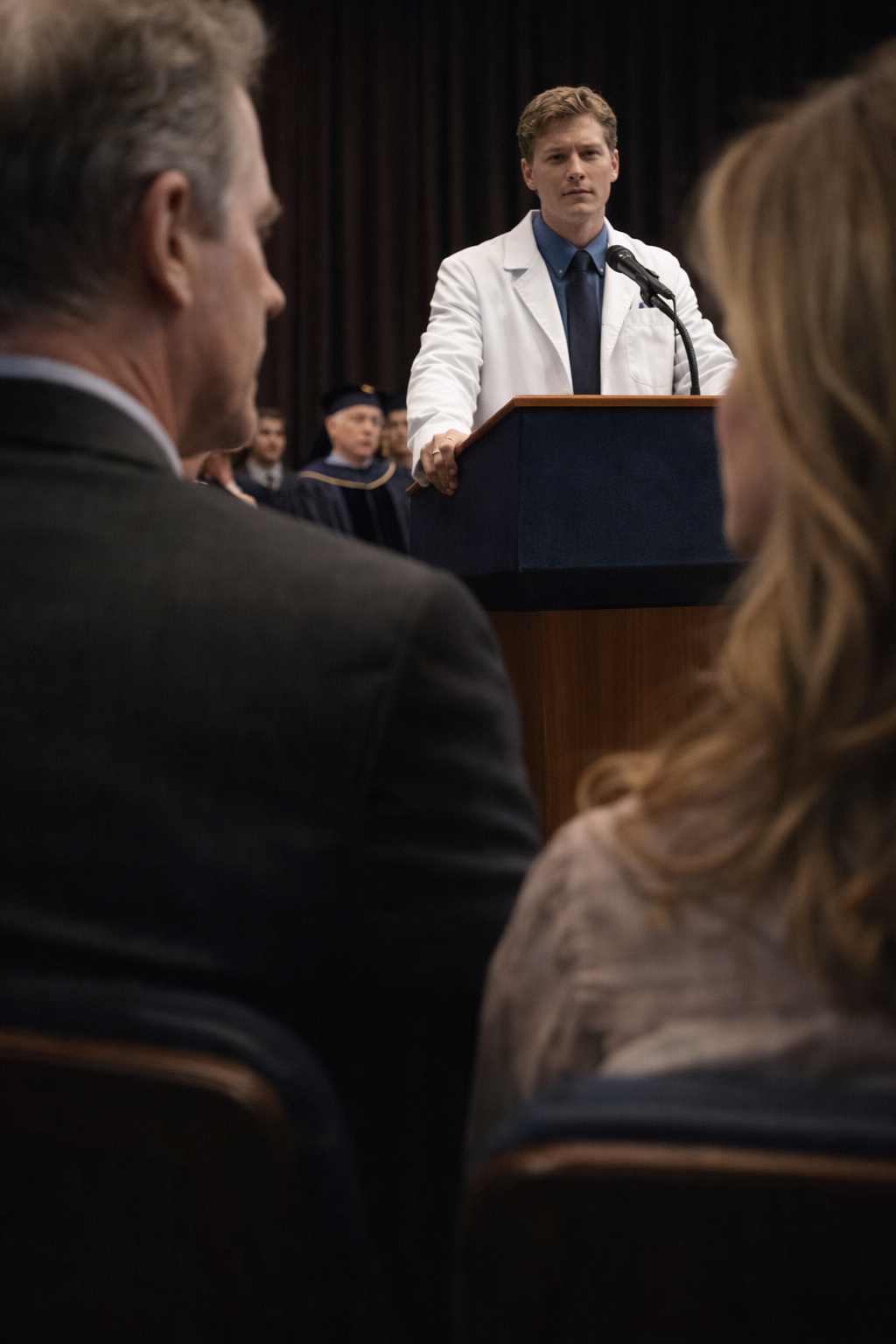
The room fell silent.
“When I was born, doctors said my body would make life harder. My father left that same day.”
A sharp breath echoed somewhere behind me.
“My mother stayed,” he continued. “Through every form, every therapy session, every moment people told me to expect less. She carried me into rooms my father was too weak to enter.”
He paused.
“He left when life stopped being easy. She stayed when it stopped being fair.”
Warren didn’t move.
Henry looked at him.
“So no—this isn’t a proud moment for both my parents. It belongs to the woman who never missed a hard day.”
Then back to me.
“Mom… everything good in me learned your name first.”
That broke me.
Tears came in front of everyone—deans, doctors, strangers… and the man who had walked away.
The applause rose, wave after wave, until the whole room stood.
I never looked at Warren.
Afterward, Henry found me in the hallway.
“You okay?”
I laughed through tears. “No. That was incredibly rude.”
He smiled. “You hated it?”
Then Warren appeared, tense.
“You invited me for that?” he asked.
Henry didn’t flinch.
“I didn’t embarrass you. I told the truth.”
Warren tried to speak, but Henry cut him off.
“You left on day one. My mother stayed every day after that.”
He held his gaze.
“If you want to know how my story ends… watch her. She’s the reason it was worth telling.”
And just like that—
the man who once walked away
was the only one left standing alone.
Source: amomama.com
Note: This story is a work of fiction inspired by real events. Names, characters, and details have been altered. Any resemblance is coincidental. The author and publisher disclaim accuracy, liability, and responsibility for interpretations or reliance.
