
Stories
“Do Not Go Home Tonight.” What The Officer Told Me After Checking My Wife’s License Changed Everything
Apr
The Warning That Split My Life in Two
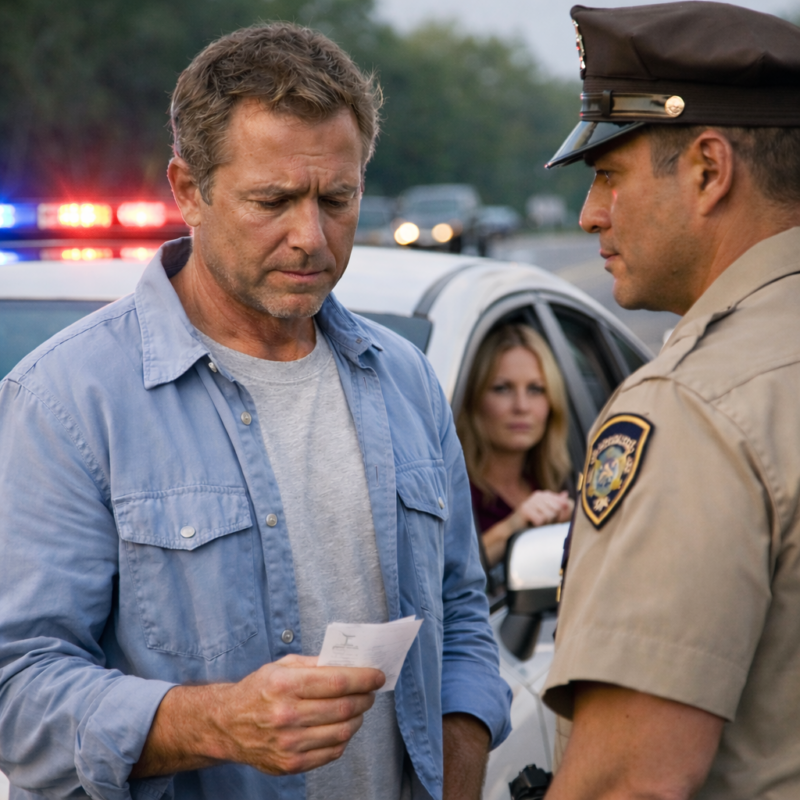
My wife was pulled over for speeding, and after the officer checked her license, he asked me to step out of the car.
His expression changed the moment we were out of earshot.
“Sir, listen carefully,” he said. “Do not go home tonight. Go somewhere safe.”
I blinked at him. “What? Why?”
He hesitated, then lowered his voice. “I can’t explain it here. But what I found… it’s bad. Very bad.”
Then he slipped a folded note into my hand.
When I opened it later, everything I thought I knew about my life collapsed.
Part 1: The Traffic Stop
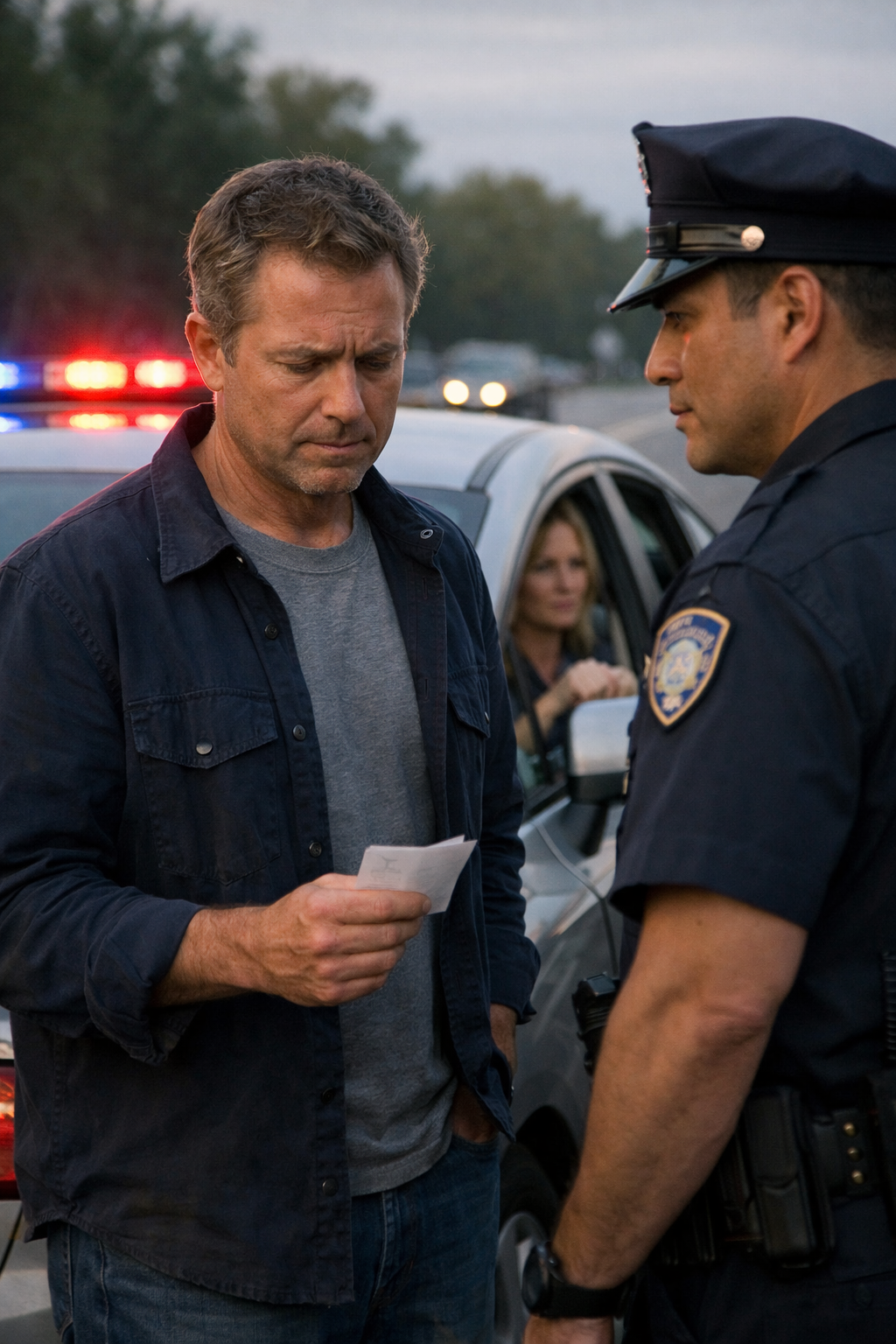
The flashing red and blue lights turned the inside of our Honda Civic into a pulsing blur of color. It should have been routine—just another minor stop on a gray Saturday afternoon.
Sarah had been going seventy-eight in a sixty-five on Route 35. Nothing reckless, just enough to get noticed.
She handed over her license calmly, offering the same polite smile she always used in situations like this. It was the same smile that had once drawn me in years ago, when everything between us still felt honest.
The officer—Martinez—took her documents and returned to his cruiser.
I watched him in the rearview mirror, expecting the usual: a few minutes of typing, maybe a warning or a ticket.
But something shifted.
He leaned closer to his screen, posture tightening. Too focused for something this ordinary.
Minutes stretched.
When he stepped out again, he didn’t go back to Sarah’s side.
He came to mine.
“Sir, could you step out for a moment?”
His tone was calm.
That made it worse.
We stood behind the car, close enough to hear traffic but far enough to stay unheard.
The air smelled like hot asphalt.
He looked directly at me.
“Do not go home tonight,” he said again. “Go somewhere she doesn’t know.”
My mind stalled.
“Is Sarah in trouble?”
He didn’t answer. Instead, he pressed the folded paper into my hand.
“Read this later. Alone. And be careful who you trust.”
I glanced back at the car. Sarah sat exactly as before—calm, composed, adjusting her hair.
Perfectly normal.
Too normal.
Martinez returned, handed her documents back, and issued a simple warning—as if nothing had happened.
As if my life hadn’t just been quietly shattered on the roadside.
We drove on.
Sarah stayed quiet.
Her hands gripped the wheel a little too tightly. She checked the mirrors too often.
When I asked if she was okay, she smiled.
“I’m fine.”
But the smile didn’t reach her eyes.
And the note in my pocket felt like it was burning through the fabric.
Part 2: Seven Words
Dinner at her mother’s house was painfully normal.
Sarah laughed at the right moments. Helped with dishes. Listened attentively.
If danger existed in that room, it wore perfect manners.
But suspicion changes everything.
Her laughter sounded rehearsed. Her warmth felt placed.
Not wrong—just precise.
That night, in the guest room, I waited until she fell asleep.
Then I locked myself in the bathroom and unfolded the note.
Seven words.
She isn’t who she says she is.
Underneath: a phone number.
And one word.
Detective.
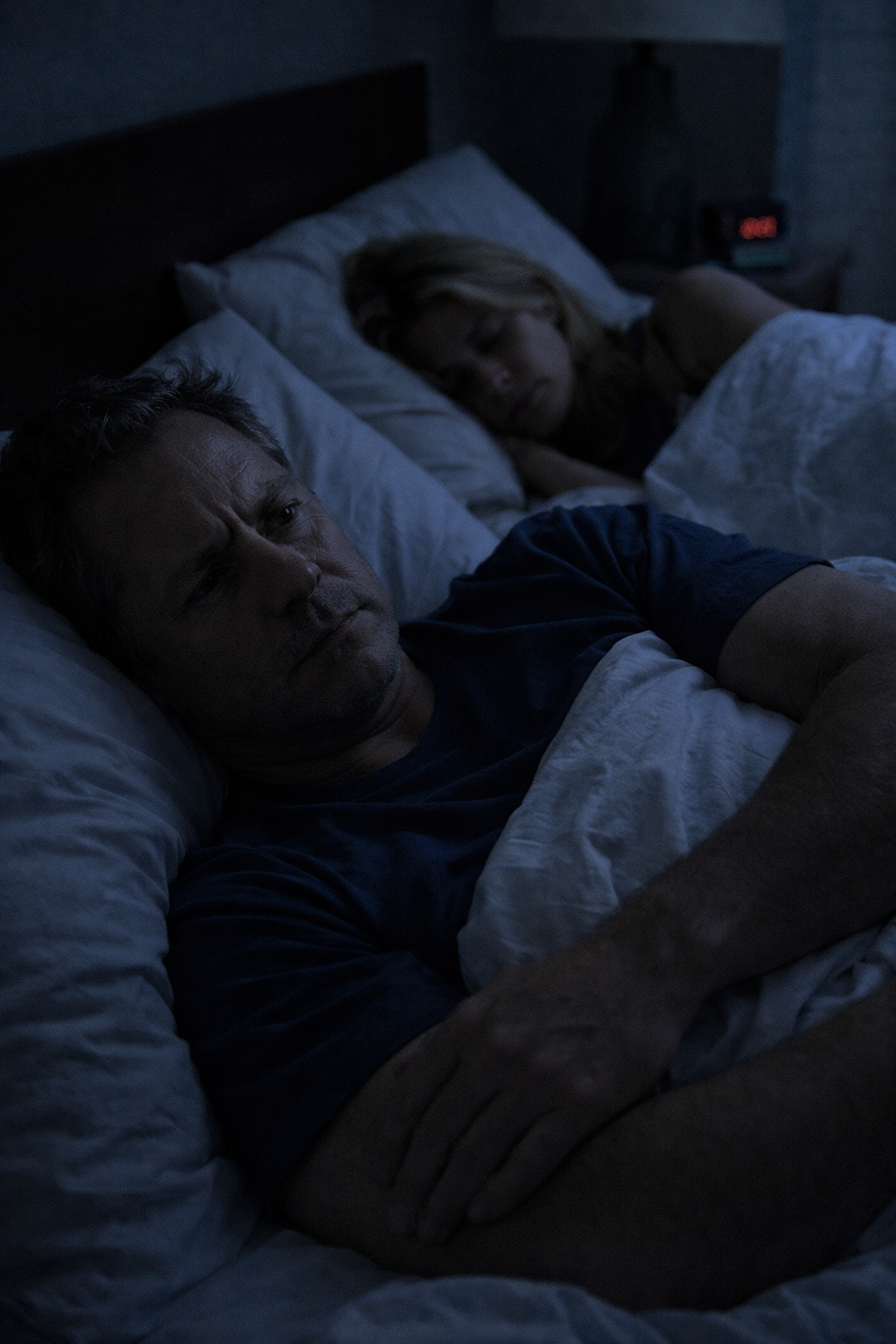
I didn’t sleep.
I lay beside her, staring into the dark, replaying ten years of marriage under a new, terrifying lens.
Her job. Her travel. The vague answers.
No office visits. No coworkers. No real details.
At the time, it had felt like privacy.
Now it felt like design.The next morning, when she left for a “client meeting,” I made the call.
“Detective Adam Reynolds,” the man said.
Organized crime.
That alone made my hands go cold.
“Your wife has been under surveillance for eight months,” he told me.
“She’s part of a money-laundering operation.”
I shook my head. “That’s impossible. She works in marketing—”
“There is no such company,” he said gently. “It’s a cover.”
The room tilted.
Everything we had built—coffee mornings, routines, small shared moments—felt staged.
“Are you saying I’ve been used?”
“I’m saying she’s been living two lives,” he replied. “And yours was designed to support the other.”
Part 3: The Truth Beneath the Marriage
Once the questions started, the gaps became obvious.
No office visits. No real verification. Constant private calls. Frequent unexplained travel.
I had ignored it all.
Because the alternative was unthinkable.
Reynolds laid it out clearly.
Sarah had been moving illicit money through accounts and shell companies—cleaning it for criminal networks.
And our marriage?
Part of the cover.
A stable life. A respectable image. A perfect disguise.
Then came the final blow.
“She was preparing to leave,” he said.
Offshore accounts. Backup identities. Exit plans.
She wasn’t just lying.
She was planning to disappear.
I had a choice.
Walk away and let the investigation continue.
Or help.
Either way, I was already living with a stranger.
So I agreed.
For six weeks, I lived a double life.
Hidden cameras. Copied files. Recorded conversations.
But the hardest part wasn’t the surveillance.
It was pretending.
Kissing her goodnight after watching footage of her discussing illegal transfers.
Listening to her complain about “clients” while holding proof of millions in transactions.
Reading messages where she called me one thing:
“Cover.”
Part 4: The Arrest
The operation happened on a Saturday morning.
I left early, like usual.
Told her I had golf plans.
She lay in bed, half-asleep, looking soft and familiar.
For a moment, I almost stayed.
But stayed for what?
A lie?
I left.
The arrests were clean.
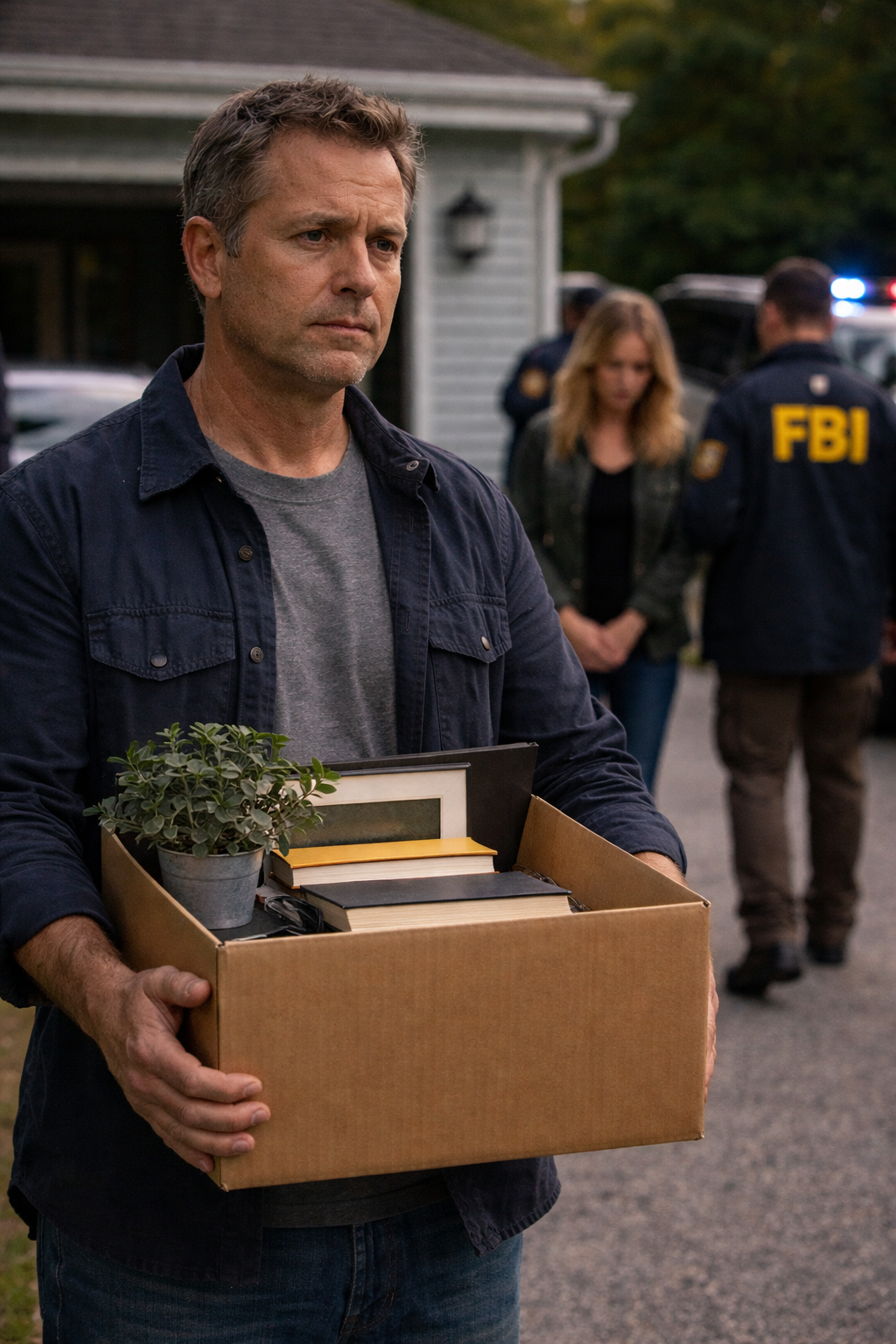
Multiple suspects. Seized assets. Frozen accounts.
The network cracked open.
Sarah taken without resistance.
I returned home to silence.
Everything looked the same.
But nothing meant anything anymore.
The divorce took months.
Financial investigations. Legal processes.
I was cleared.
Which should have felt like relief.
Instead, it felt like proof of how completely I had been in the dark.
She pleaded guilty.
Twelve years.
She never reached out.
Neither did I.
Part 5: The Wife Who Never Existed
The aftermath wasn’t dramatic.
It was quiet.
Paperwork. Explanations. Starting over.
People ask if I miss her.
They mean the version I loved.
But that version wasn’t real.
And you can’t miss something that never truly existed.
What stayed with me wasn’t the crime.
It was the betrayal of trust.
I had shared everything—my fears, my past, my hopes.
And she used it to make her role more convincing.
The lessons were harsh:
- Charm isn’t character
- Routine isn’t honesty
- Time doesn’t prove truth
Part 6: After the Illusion
Sometimes I think about that traffic stop.
How close I came to going home and never knowing.
Living inside a lie until it collapsed on its own.
That stop wasn’t about speeding.
It was the moment my life split in two.
I’m grateful for the warning.
Grateful for the truth.
Even if it destroyed everything I thought I had.
Because it didn’t destroy a real marriage.
It destroyed an illusion.
And illusions, no matter how convincing, are never safe places to live.
I lost ten years.
But I kept the years that came after.
And those—at least—are real.
Note: This story is a work of fiction inspired by real events. Names, characters, and details have been altered. Any resemblance is coincidental. The author and publisher disclaim accuracy, liability, and responsibility for interpretations or reliance.
